The Evolving Landscape: AI vs. Human Photo Editing in 2026
If you've been working as a professional photographer over the past few years, you already know that the industry has undergone a massive shift. In 2026, Artificial Intelligence is no longer just a buzzword or an experimental feature hidden in the beta versions of your favorite software-it has become an undeniable, everyday force in the photography industry.
From automated culling and instant exposure correction to complex masking, background removal, and advanced skin retouching, AI tools have completely transformed traditional workflows. Software like Lightroom’s intelligent masking, specialized plugins like Retouch4me, and Midjourney-inspired generative fills have dramatically reduced the time it takes to edit a wedding or a massive portrait session. What used to take days locked in a dark room (or glued to a glowing monitor) can now theoretically be done in a fraction of the time.
But here is the million-dollar question keeping many creatives awake at night: does this surge in automation mean human photo editors are becoming obsolete? The short answer is absolutely not. While AI is undeniably fast and incredibly powerful, it fundamentally lacks the intuitive understanding of human emotion, subtle stylistic nuances, and the overarching storytelling aspect that a skilled human editor naturally brings to a gallery.
Where AI Actually Excels: The Heavy Lifting
Let's give credit where it's due. AI is practically tailor-made for the grueling, repetitive heavy lifting that most photographers dread. Imagine returning from a 12-hour wedding shoot with 5,000 RAW files. AI can cull those thousands of photos in mere minutes, ruthlessly identifying and removing blurry shots, missed focus, and closed eyes.
Beyond just sorting, modern algorithms can apply baseline color correction and exposure adjustments across a massive batch of photos with surprising accuracy. It maps out faces, balances white levels, and neutralizes weird color casts in an instant. For a busy wedding photographer swamped with back-to-back bookings during the peak summer season, these tools aren't just helpful-they are an absolute lifesaver that prevents total burnout.
However, AI is a tool of efficiency, not necessarily of artistry. It operates on math, analyzing pixel data and applying mathematical corrections based on millions of learned parameters. It doesn't know why a photo was taken, only how it should technically look.
Why the Human Touch Remains Irreplaceable
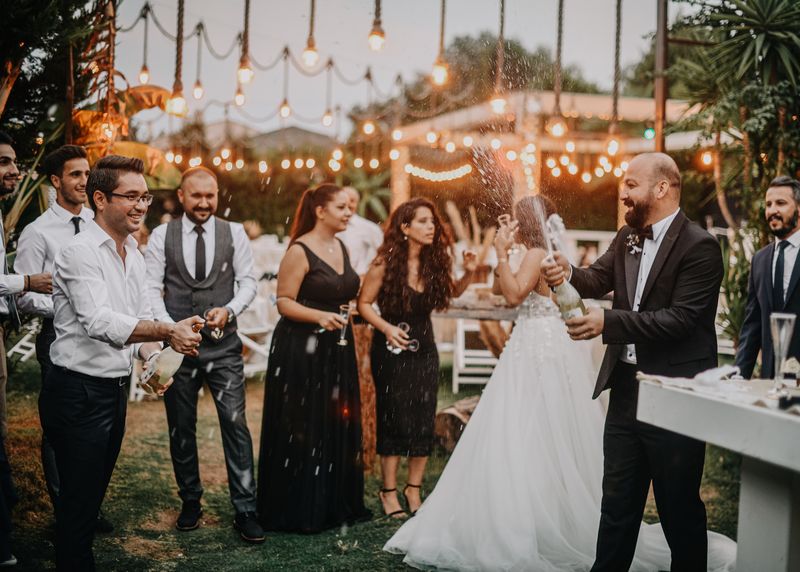
Despite its incredible technical advancements, artificial intelligence still struggles significantly with the abstract and emotional elements of photography. Real life doesn't always happen in perfect, studio-lit conditions. When dealing with complex, mixed lighting situations-like a dark, cavernous reception hall illuminated by erratic DJ lasers and warm tungsten string lights-AI often gets confused. It might try to "fix" a creative color cast that you intentionally wanted to keep to preserve the mood of the party.
More importantly, AI lacks empathy. It cannot comprehend the emotional weight of a specific captured moment. A human editor inherently knows that a slightly underexposed, grainy photo of the bride's grandmother shedding a tear during the vows is infinitely more valuable than a technically flawless, razor-sharp shot of a dinner plate. A machine might flag that emotional photo for deletion due to "poor technical quality," whereas a human editor will treat it with the utmost care, dodging and burning to make that fleeting, beautiful moment shine.
Crafting and Maintaining a Signature Style
As a professional photographer, you aren't just selling perfectly exposed images; you are selling your unique vision. Your clients book you because they fell in love with your specific aesthetic-whether that's dark and moody, light and airy, or a nostalgic film emulation.
While it's true that AI can mimic a preset or a specific look, it relies on strict rules. Human editors, on the other hand, refine and adapt. They learn your preferences over time, adjusting their approach based on your specific feedback and the unique vibe of each individual event. If a wedding had a moody, gothic aesthetic, a human editor adjusts the style to fit the narrative. If the next wedding was a bright beach elopement, they pivot effortlessly. A human editor acts as a creative partner who understands the context of the day, ensuring that your final gallery feels cohesive, deliberate, and undeniably yours.
Finding the Perfect Balance: The 2026 Hybrid Workflow
The most successful, high-earning photographers in 2026 aren't burying their heads in the sand, nor are they handing over their entire creative process to a computer. Instead, they are embracing a strategic hybrid approach.
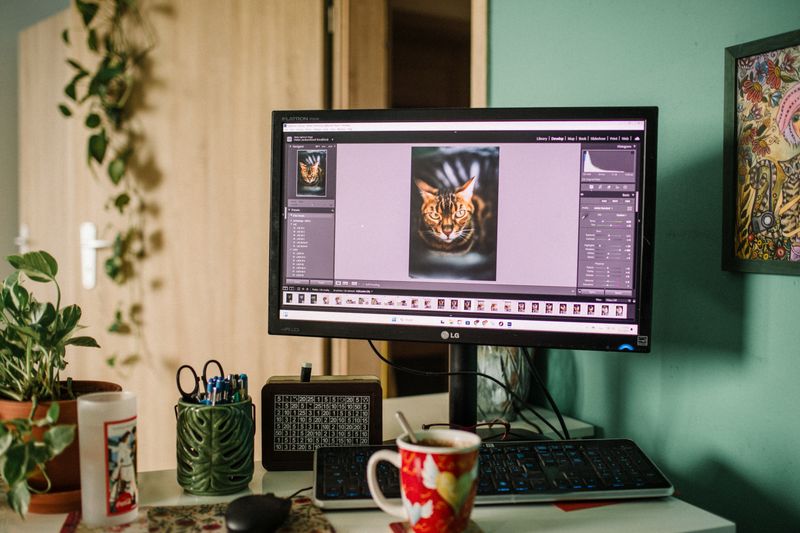
The winning workflow looks like this: photographers leverage AI for the initial, time-consuming culling and base corrections. Once the gallery is narrowed down and neutralized, they rely on professional human editors to step in. These experts apply the photographer's signature style, ensure perfect consistency across hundreds of varying lighting scenarios, and handle the nuanced, localized retouching that algorithms often overdo (like keeping skin looking like actual skin rather than plastic).
By outsourcing the final, crucial polish to a dedicated human team, you get the unparalleled speed of AI combined with the irreplaceable artistic eye of a professional. This approach drastically reduces turnaround times while keeping quality at a premium. It buys back your most valuable asset-your time-allowing you to focus on what you actually do best: taking incredible photos, connecting with clients, and aggressively growing your business.
Ready to Upgrade Your Editing Process?
In a world increasingly dominated by automation, the bespoke human touch is what will set your brand apart. If you're ready to find that perfect balance, send your photos to our expert team at InPix. Let us handle the intricate details and show you the tangible difference a dedicated, human creative partner makes in your workflow.
Spend Less Time in Lightroom & More Time Behind the Camera
InPix.Me pairs you with a dedicated human colorist to match your film scans or apply your favorite presets for just $0.20 per image.
See our before-and-after wedding editing samples and editing services and prices to plan your next gallery.